Age-group championships
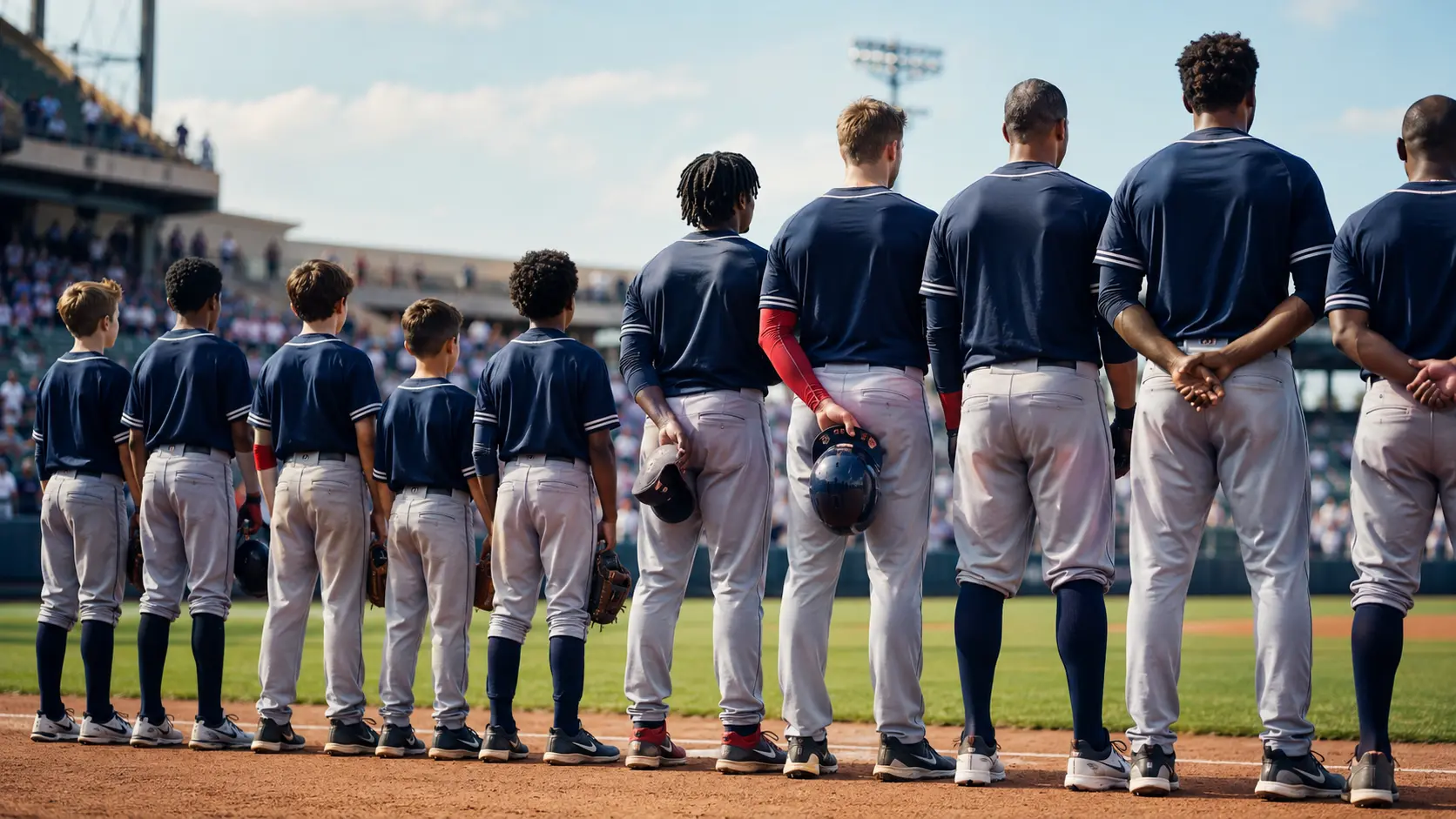
Baseball Canada's championship calendar isn't one event. It's a series of age-group championships spread across the summer, each with its own qualifying path and its own character. Following more than one at a time tells you far more about where Canadian amateur baseball is heading than the senior event alone.
Why age groups are separated
Splitting championships by age is more than administrative tidiness. It reflects what the sport looks like at each stage. Younger tournaments like the 13U Nationals are built around development as much as competition, putting players in a national environment years before the highest-stakes seasons arrive. Senior events reward polish and experience built through years of competitive rep baseball.
| Youth tier | Senior tier | |
|---|---|---|
| Priority | Development and exposure | Winning the title |
| Pitch limits | Strict, non-negotiable | Looser, coach judgement |
| Format | Pool play guarantees games | Pool play then knockout |
| Qualifying | Regional qualifiers common | Straight provincial title |
| Roster building | Balance progress vs result | Best available squad |
The developmental tier
Younger championships put weight on giving as many provinces as possible a genuine path in. That's the reasoning behind regional qualifiers like the Atlantic qualifier, where combining smaller provinces keeps the field competitive without excluding communities that couldn't field a standalone contender.
Pool play and round-robin formats at this level guarantee every team a decent number of games however the bracket falls. For development purposes that matters more than a format that could send a squad home after one bad afternoon.
The senior tier
At the senior level, shown best by the Men's National Championship, the format shifts toward rewarding consistency across a longer event: round-robin seeding followed by a proper playoff bracket. Teams here have already come through a full competitive rep season and a provincial championship, so nationals tests composure and pitching staff management as much as talent.
How coaching priorities shift
Coaching philosophy changes as players move up. At the youngest national tournaments a staff is balancing playing time and skill development against the ordinary goal of winning. By senior level that balance has tipped toward performance. A staff assembling a senior roster is building the strongest team available for that specific week, not managing a long-term program the way a 13U staff still is.
The senior event asks who the best team in the country is right now. The youth events ask which provinces are building one.
How the tiers connect
Players don't jump straight from a youth championship to the senior event. There's a long arc in between, moving through older age categories and steadily tougher provincial leagues. Watching a province across multiple age groups in one summer is a useful signal: strong results at both a youth and a senior event in the same year usually point to depth in the whole development system, not one good roster.
Tracking a province over several years
Since a cohort moves through a province's age-group system together, following results across consecutive summers shows patterns a single year can't. Back-to-back strong showings at a younger age group often precede a competitive senior roster a few years later, once that group ages into senior eligibility and provincial selection.
Following several at once
The championships are spread across the summer instead of crammed into one week, so it's possible to follow the full arc without the events competing for attention. The spacing is also practical. Many of the same host province volunteers and facilities end up supporting more than one national event in a single summer.
Common questions
How many age-group championships run each summer?
Baseball Canada runs several across the summer calendar, split by age category, with the senior men's event at the top of the ladder.
Are youth national championships less competitive?
They are competitive on their own terms. The difference is priority: youth events balance development against results, while senior events are built purely around winning the title.
Can results at 13U predict senior success?
Not for individual teams, but they can signal provincial depth. A province with repeated strong youth showings often produces competitive senior rosters once that group of players ages up.