Pitching depth and tournament format
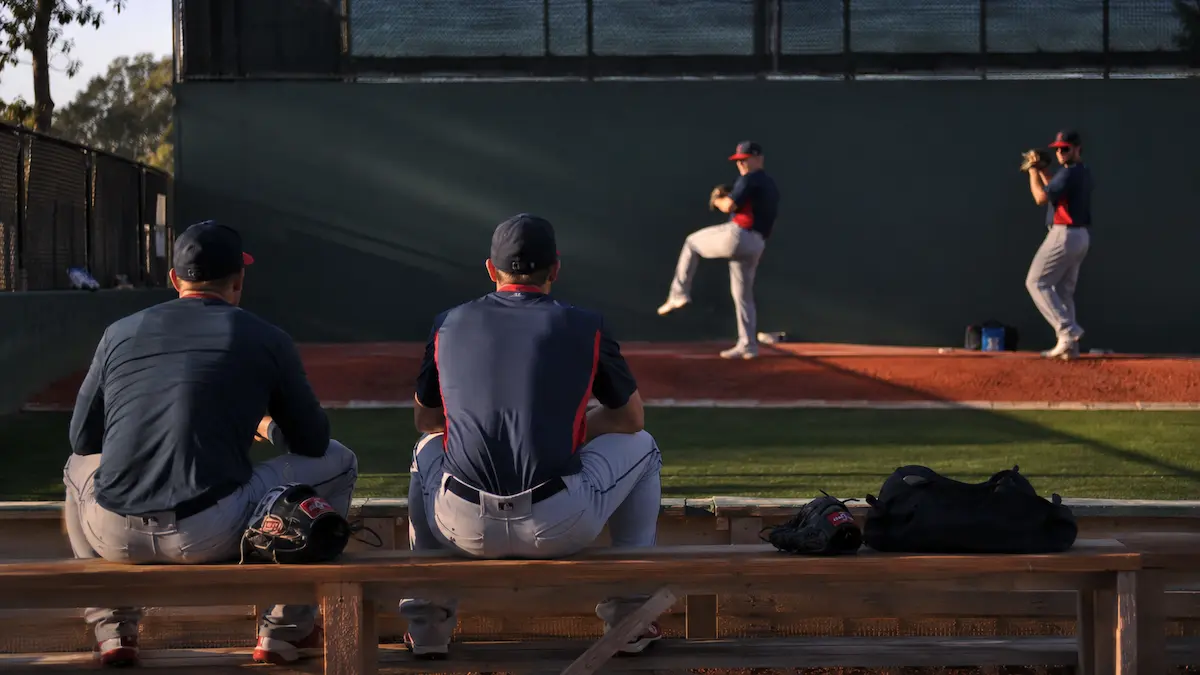
Of everything that separates a real national championship contender from a team that fades by Friday, pitching depth is the most consistently underrated. A round-robin schedule feeding into a playoff bracket, the standard across Baseball Canada's national events, is precisely the format that exposes a thin staff.
- 3–4Usable starters a contender wants
- 5–7Days of games
- 0Margin if your ace is spent
Round-robin changes the math
A single-elimination bracket lets a team lean on one or two dominant starters, since losing ends the week anyway. Round-robin play takes that option away. Teams have to win repeatedly in a short window, which means managing workload across a rotation instead of riding an ace as far as he'll go. At the Men's National Championship that difference shapes roster construction months before the first pitch.
Innings management on a compressed schedule
Five to seven days of tournament baseball means rest requirements start dictating who's actually available, whether through formal pitch-count rules or plain player management. A staff that built depth across three or four capable starters has flexibility. A top-heavy staff has a plan that works until it doesn't.
At younger age groups it's not optional. Events like the 13U Nationals carry stricter pitch-count and rest rules to protect developing arms. Depth stops being a tactical advantage there and becomes a requirement for finishing the tournament with a legal staff.
Bullpen construction against starting depth
Depth isn't only about starters. Bullpen construction matters just as much in this format. A team with three solid starters and no dependable relief is exposed the moment a starter runs into early trouble, because there's no room to burn an extra inning or two without wrecking availability later in the week. The strongest tournament staffs know exactly which relievers can go back-to-back days without breaking rest rules, and they know it before the week starts.
Seeding against workload
Round-robin results set playoff seeding, and that creates a real dilemma. Does a team push its best arms hard to win the pool and take a favourable seed, or manage workload and bank on being fresher for the bracket? There's no universal answer. It depends on the rest of the field, how the bracket looks likely to fall, and how deep the staff honestly is.
Recovery between games
Past the formal limits, plain physical recovery counts for more in a compressed tournament than it does across a normal season where starts sit several days apart. A week of tournament baseball can ask a pitcher to come back on less rest than his regular-season routine allows. Experienced staffs plan bullpen usage and rest days several games out instead of reacting after a bad inning.
How it varies by age group
The stakes around depth shift with the age group. At youth events the pitch limits are strict enough that a team simply can't run its best arm out every day, whatever the strategy. At senior level the rules are looser, which pushes pitching management toward coaching judgement and gives experienced staffs more room for an aggressive call with a title on the line.
What to watch during a tournament
If you're following a championship rather than checking final scores, track who has pitched, how many innings, and how many days of rest they've had. It predicts the next few days better than the standings do. A team sitting on top of its pool after burning its top two starters to get there is in a very different spot heading into the bracket than one that arrived with the rotation intact.
Common questions
How many pitchers does a team need at nationals?
Contenders normally want three or four starters they can trust plus relievers who can handle back-to-back days without breaking rest rules across a five to seven day event.
Do pitch counts apply at every age group?
Limits and rest requirements are strictest at younger age groups to protect developing arms. Senior competition leaves more of the decision to coaching judgement.
Is it better to win the pool or save your pitching?
It depends on the field and the likely bracket. Winning the pool buys a better seed, but arriving at the playoff round with a spent rotation can undo the advantage.