Host city rotation
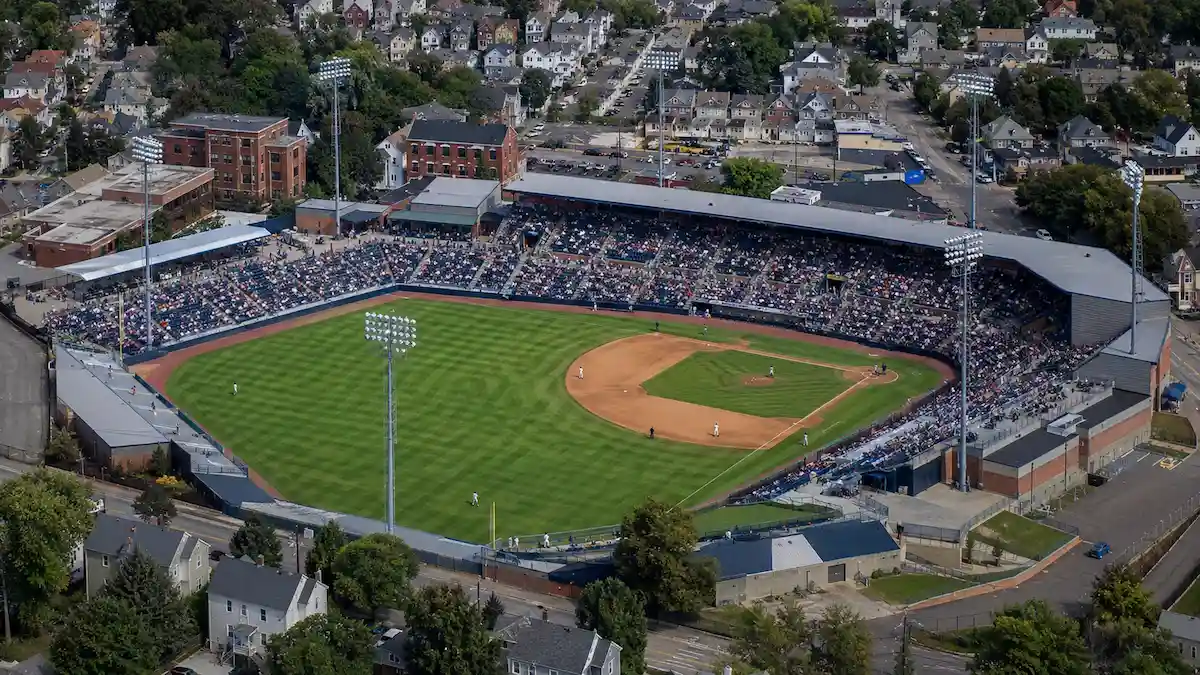
One detail shapes every Baseball Canada national championship more than most fans notice: hosting moves. Instead of parking events like the Men's National Championship permanently in one or two cities, hosting duties rotate among provincial associations and communities willing to take the job on.
Why rotate at all
A fixed host is simpler to organize, and it comes with a cost. Provinces whose teams never play a national championship at home lose the exposure that grows the sport locally. Sponsorship interest, youth sign-ups and media coverage all jump when a national event lands nearby. Rotating spreads that around the country instead of concentrating it wherever the best facilities happened to be first.
What a host actually needs
| Requirement | Why it matters |
|---|---|
| Multiple quality diamonds | Round-robin play runs several games at once in the early days |
| Short distance between fields | Teams and officials move between venues on the same day |
| Accommodation capacity | Teams, staff and families stay most of a week |
| Volunteer base | Scoring, field prep, gates and concessions all run on volunteers |
| Local organizing committee | Someone has to own logistics and fundraising |
A bid takes more than one available field. Round-robin play across a full national field means several games running at the same time in the opening days. Accommodation matters just as much, which effectively rules out very small communities no matter how good the diamonds are.
Volunteers are the real constraint
Facilities and hotel rooms get the attention. Volunteer capacity is harder to satisfy. Running a multi-day national tournament takes dozens of people covering scorekeeping, field maintenance between games, concessions, parking and general operations, mostly unpaid and mostly drawn from the host community's own baseball network. A town with excellent fields and a thin volunteer base struggles just as much as one with weaker facilities.
Who does the work. Local organizing committees are usually built around the host province's association plus a local minor-sport organization. They handle field prep, volunteer recruitment and a fair chunk of the fundraising that hosting fees don't cover.
The economic case
Beyond the sport itself, hosting carries an economic argument that organizing committees lean on when they put a bid together. Visiting teams, staff and travelling families spend on accommodation, food and local services across most of a week. For a mid-sized community a national amateur event can be a short but real boost to tourism revenue, which is why municipal governments sometimes back a provincial association's bid directly.
Facilities against community size
There's a tension in host selection between facility quality and community size. Larger cities offer better infrastructure and more hotel capacity. Smaller communities with a strong baseball culture sometimes close the gap through volunteer capacity and appetite for the job, and those are harder to manufacture than an extra diamond. Host selection has historically weighed both instead of defaulting to the biggest city available.
What it does to competitive balance
Host provinces normally get to enter a team alongside their provincial champion, and that's a real advantage. Playing in familiar conditions without the travel fatigue everyone else is carrying counts for something across a multi-day tournament. It's a small trade against the wider benefit of moving the event around, and it explains why host announcements draw so much interest among provincial associations before the dates are even set.
What to watch each year
Host announcements go out well in advance, giving the host province time to get facilities ready and everyone else time to plan travel. Different age-group championships, from the 13U Nationals up through the senior event, don't necessarily share a host city or even a host province in the same summer. Tracking the rotation across age groups gives a fuller picture of how the hosting workload gets spread over time.
Common questions
How far in advance is a host city announced?
Well before the season, so the host province can prepare facilities and other provincial associations can plan travel for their qualifying teams.
Do all national championships share one host city?
No. Different age-group championships can be held in different provinces in the same summer, which spreads the hosting workload around.
Does the host province get an extra team in the field?
Usually. The host normally enters a team alongside its provincial champion, which is one of the practical benefits of taking on hosting duties.