13U Nationals
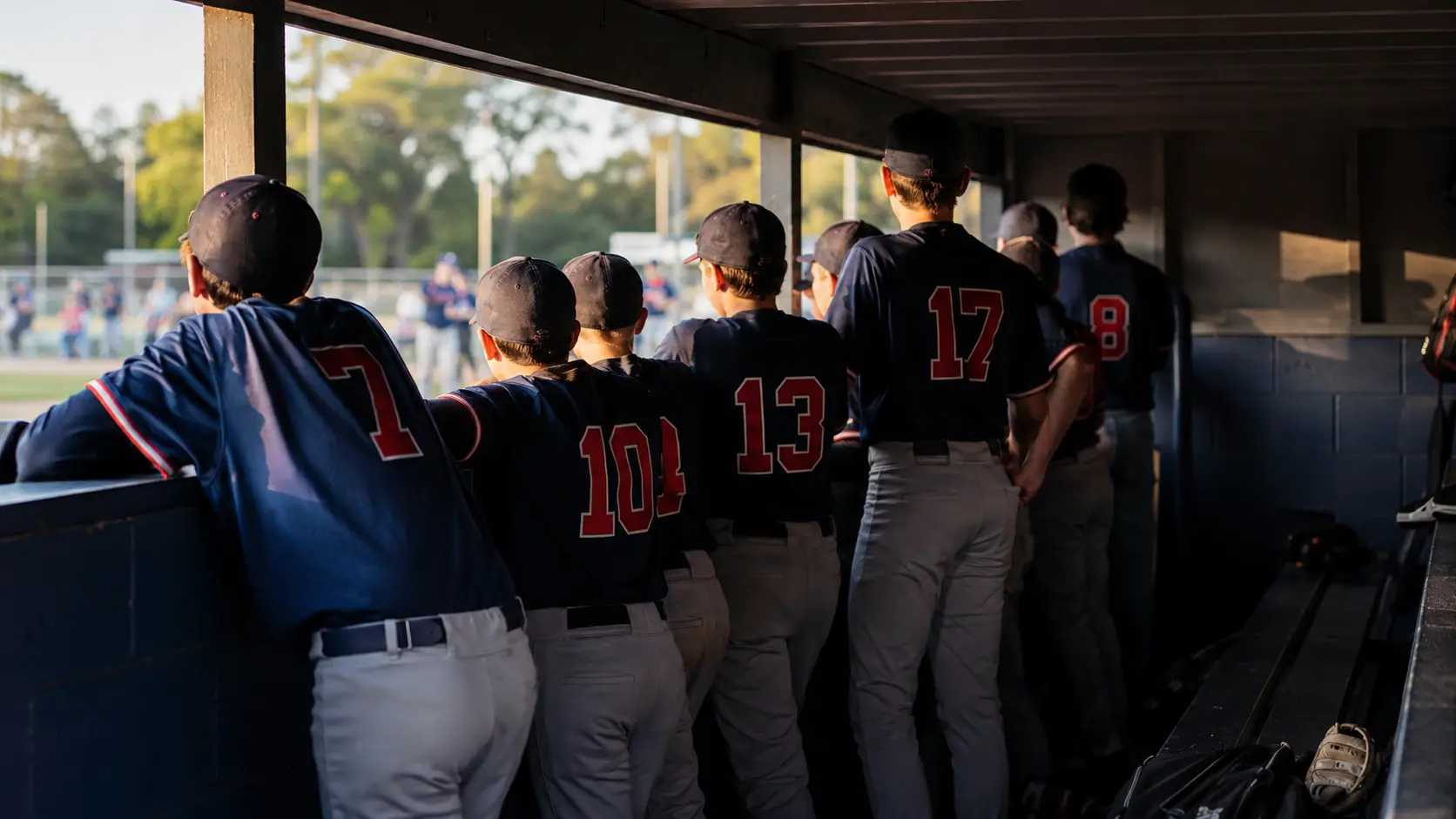
The 13U Nationals gather provincial champions in the 13-and-under age category for the youngest national championship Baseball Canada runs. It shares the summer with theMen's National Championship, but the event is built around development first, which changes almost everything about how it's run.
- 13UAge category
- PoolsThen a playoff bracket
- StrictPitch-count limits
Why a 13U national championship exists
Age-group nationals give young players a first look at a national-level environment: other provinces, unfamiliar playing styles, and a tournament that runs a full week instead of a weekend. For a lot of these players it's the first time facing pitching from outside their home province. That exposure feeds provincial development pipelines years before any of them are in the conversation for a senior national team.
Format
Teams are split into pools for round-robin play, then advance into a playoff bracket. Pool assignments balance travel against competitive fairness. Everyprovincial association sends its top qualifying team, so the pool games are usually tight well before anyone reaches elimination baseball. The current year's bracket and pitch-count regulations are published byBaseball Canada.
Arm care comes first. Pitch-count ceilings and mandatory rest days are stricter at 13U than at the senior level. A roster without enough usable arms can find itself legally unable to field a full staff by the playoff round, no matter how the games have gone.
That turns pitching depth from a strategic edge into a requirement. Coaching staffs plan rotations days ahead here, because the rules take the decision out of their hands late in the week.
The regional path
Provinces don't all qualify the same way. Regional qualifiers, including theAtlantic qualifier, decide which team represents a multi-province region at the national event. It keeps the national field a workable size without shutting out smaller provinces that couldn't field a standalone contender at this age.
Coaching a 13U roster
Coaching a provincial champion through a strong national showing is a different job at this age. Players are still growing at wildly different rates. A roster can include kids who look nearly grown standing next to teammates a couple of growth spurts behind, and a staff has to build a lineup and a rotation around that instead of around settled performers.
Development priorities complicate lineup decisions in ways senior coaches rarely deal with. A staff weighing a player's long-term progress against this week's result is a normal tension at 13U. By the senior level it mostly isn't.
What host communities get out of it
Hosting a 13U event brings something different to a town than the senior championship does. Younger tournaments draw large travelling family groups relative to the number of players on the field. Local youth programs also get direct exposure to visiting teams' training methods through clinics and coaching exchanges. Provincial associations compete for these hosting duties for reasons that go past the week's economic impact.
How to read the results
Because this age group sits early in the pipeline described in ourpath to nationals piece, results here work better as an early signal than as a ranking of provincial strength. A province with a strong 13U showing one summer is often the same province fielding competitive senior teams several years later, once that group ages up.
Common questions
What age can play at the 13U Nationals?
The event is for the 13-and-under age category, as defined by Baseball Canada's age-group rules for the season in question.
Why are pitch counts stricter than at senior events?
The limits exist to protect developing arms across a compressed tournament schedule. They apply regardless of the game situation, so roster depth becomes a practical necessity rather than a tactical choice.
Do all ten provinces send a team?
Not always as standalone entries. Some regions, such as the Atlantic provinces, qualify a single representative through a regional qualifier instead of sending four separate teams.